If you have ever paid $35 to $70 for a small box of printer cartridges, you have probably asked, why are ink cartridges so expensive? The short answer is that you are not paying only for liquid ink. You are paying for a specialized delivery system, printhead engineering, packaging, retailer margins, research and development, and a business model built around repeat purchases. That does not mean every cartridge is a bad deal, but it does mean the printer’s purchase price rarely tells the whole story.
Why are ink cartridges so expensive in the first place?
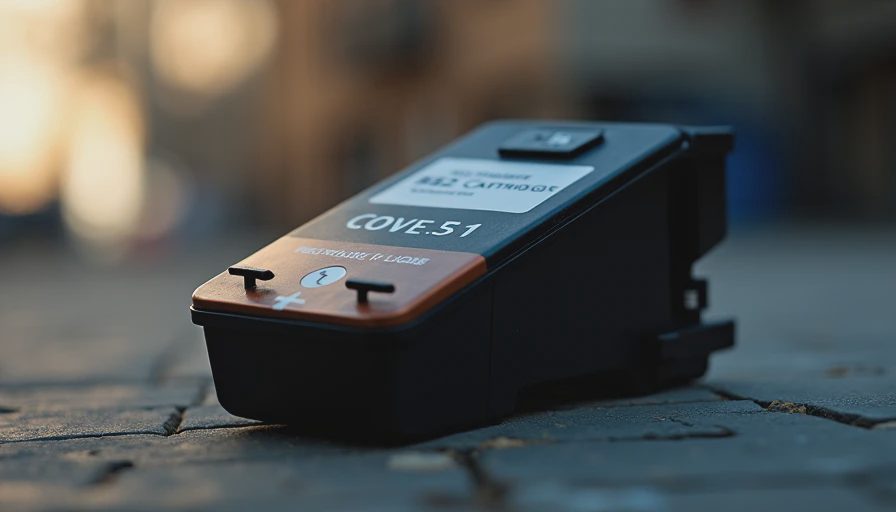
Inkjet cartridges contain more technology than their plastic shells suggest. Depending on the printer, a cartridge can include a reservoir, fine filters, seals, electrical contacts, and a small printhead or metering system. The printer must release tiny droplets consistently enough to create readable text, smooth graphics, and accurate colors. A cheap-looking cartridge still has to work within tight physical tolerances.
Manufacturers also spend money developing ink formulas for specific printers. Black pigment ink needs to produce sharp text without clogging the nozzles. Dye-based color ink must blend predictably and resist noticeable fading under ordinary indoor conditions. Those formulas are often tuned to a particular printhead, paper type, and software system. That specialization limits the number of suppliers that can make fully compatible products.
The economics become clearer when you look at the printer itself. Companies often sell entry-level printers at aggressive prices, sometimes for less than the cost of a full replacement set. The ongoing revenue comes from supplies, support, accessories, and upgraded models. This is why a $60 printer can eventually consume several hundred dollars in ink. The machine gets you into the ecosystem; cartridges keep that ecosystem profitable.
There is also a practical retail factor. Cartridges are sold through stores, online marketplaces, and office-supply channels. Packaging, shipping, inventory, customer service, and retailer margins all become part of the final price. A cartridge may be small, but it still travels through the same expensive supply chain as many larger products.

The page-yield label can make a costly cartridge look reasonable
Many shoppers compare cartridge prices without comparing page yield. A standard black cartridge might print roughly 150 to 300 pages, while a high-yield version could produce 500 pages or more. The larger package costs more upfront, but its cost per page can be significantly lower. A $25 cartridge that prints 200 pages costs 12.5 cents per page. A $40 cartridge that prints 500 pages costs 8 cents per page.
Those estimates usually assume a standardized coverage level, often around 5 percent of a page for black text. Real documents can use much more ink. A school worksheet with shaded sections, a full-page recipe, or a presentation with colorful charts may consume ink far faster than a simple letter. Photos are especially demanding because they use several colors across nearly the entire page.
Printer maintenance adds another hidden cost. Inkjet printers periodically run cleaning cycles to keep nozzles from drying out. Those cycles use ink, even when you are not printing a document. If a printer sits unused for weeks, it may spend more ink on maintenance when you finally turn it on. Some models also use a little color ink when printing black text or run alignment routines after a cartridge change.
This is one reason a cartridge can appear to empty quickly in a home office. The page count on the box is not a promise that matches every household. It is a standardized comparison point, useful for shopping but not a perfect forecast of your actual monthly bill.
Why are ink cartridges so expensive when the printer barely gets used?
Low-volume printing creates an especially frustrating pattern. If you print only a few pages each week, your cartridge may still lose capacity through cleaning cycles, setup routines, and occasional test pages. Meanwhile, the cost of keeping a full color set available remains high even if you mostly print black text.
Color printers typically use separate cyan, magenta, yellow, and black cartridges. That arrangement improves color control and lets you replace one color at a time, but it also means four or more supplies can reach their replacement point on different schedules. Some compact printers use a combined color cartridge, which can force you to replace the whole unit when one color runs low.
There is also a psychological trap in low-cost printers. A discounted printer can feel like a bargain at checkout, but the better question is total cost over two or three years. If a household prints 40 pages per month, a basic inkjet may be perfectly sensible. If it prints hundreds of pages for work, school, or a side business, cartridge costs can quickly outweigh the original hardware savings.
Chips, subscriptions, and cartridge compatibility
Modern cartridges often communicate with the printer through an electronic chip. The chip can track estimated ink levels, identify the cartridge, and help the printer manage print settings. It can also make third-party or refilled supplies less predictable. A cartridge that physically fits may still trigger a warning or lose some status features after a firmware update.
Some brands offer subscription programs that monitor usage and ship cartridges automatically. These can reduce the risk of running out at an inconvenient time, but they are not automatically cheaper. The value depends on the monthly fee, included page allowance, rollover rules, and overage charges. A family that prints very little can pay for convenience it rarely uses.
Third-party cartridges are another option. Compatible supplies from reputable sellers can cost 30 to 60 percent less than original-equipment cartridges, though quality varies. The main risks are inconsistent color, leaks, inaccurate ink-level readings, and reduced support from the printer manufacturer. Buying one inexpensive trial cartridge before committing to a large multipack is a sensible way to test compatibility.
How to lower your real printing cost
Start by checking the printer’s cost per page rather than its sale price. Look up the standard and high-yield cartridge prices for the exact model, then divide by the advertised page yield. Do this for black and color supplies separately. If you mostly print documents, a monochrome laser printer may be more economical because toner does not dry out in the same way and is often better suited to infrequent text printing.
For regular color work, consider an ink-tank printer from a line such as Epson EcoTank, Canon MegaTank, or HP Smart Tank. These models usually cost more at purchase, but bottled ink can deliver a much lower cost per page. They still require maintenance and are not automatically the right choice for every home. The feature is easy; living with the test is whether your print volume justifies the larger upfront expense.
You can also reduce waste by using draft mode for internal documents, grayscale when color is unnecessary, and duplex printing for longer materials. Preview every document before printing to catch blank pages and oversized images. Store cartridges in their recommended packaging, print a small color page periodically if the manufacturer advises it, and avoid buying a large supply before confirming your actual usage.
The practical answer to why are ink cartridges so expensive
The answer is a combination of engineering, specialized ink, printer subsidies, page-yield assumptions, maintenance waste, electronic controls, and repeat-purchase economics. No single factor explains the entire price. The cartridge is part consumable, part precision component, and part of a larger hardware business model.
If you print occasionally, compare a simple black-and-white laser printer with the price of several years of ink. If you print color documents every week, calculate the cost per page for high-yield cartridges or an ink-tank model. If you already own a printer, test reputable compatible cartridges and change your settings before replacing the machine.
Useful is not the same as impressive, and a printer that creates constant supply anxiety is not earning its place. Measure the real cost, choose the setup that matches your volume, and make printing boring again.